Budget Planner System: 50/30/20, Zero-Based & Debt Payoff
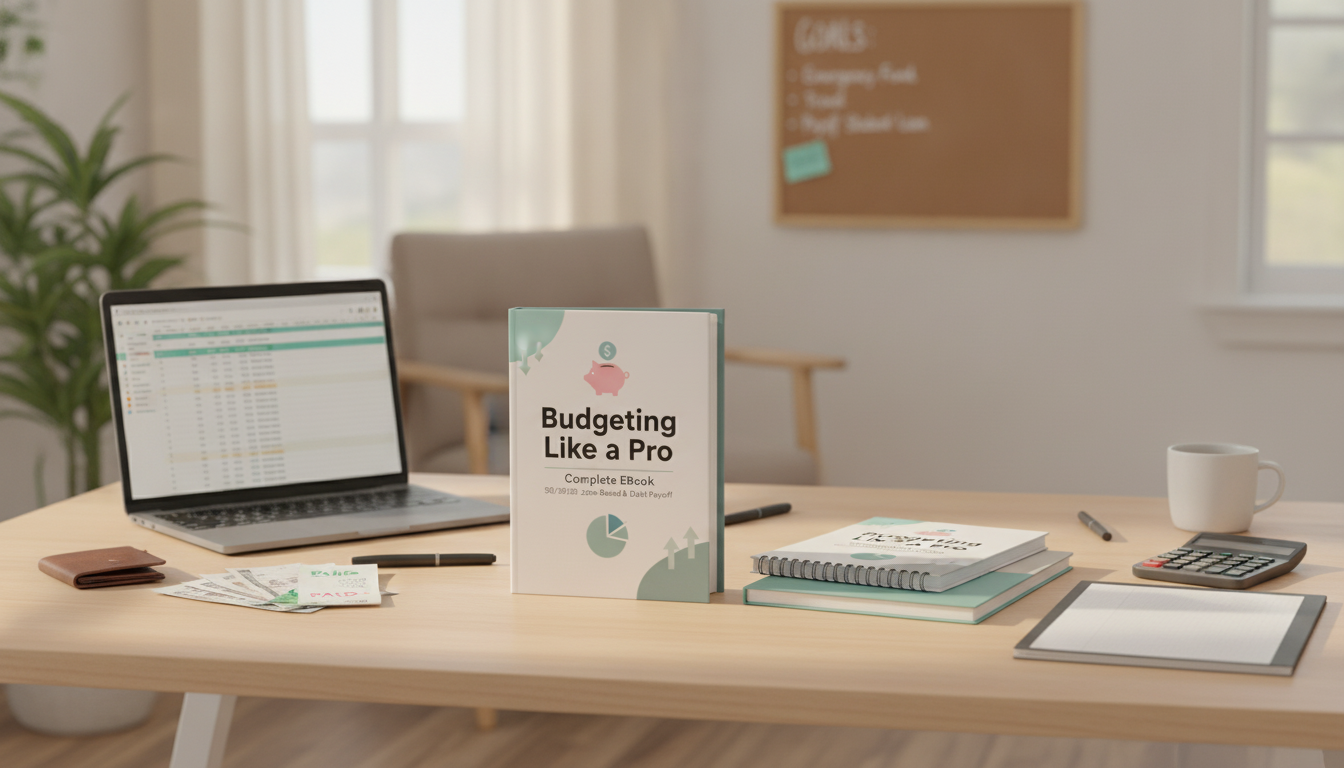
Budgeting Like a Pro: A Practical Planner System for Zero-Based Budgets, 50/30/20, and Faster Debt Payoff
A budget works when it matches real life: variable income, rising bills, debt, and goals that compete for every dollar. The easiest way to stay consistent is to use a repeatable planner system that combines three proven approaches—zero-based budgeting, 50/30/20, and pay-yourself-first—so spending stays intentional, savings becomes automatic, and debt payoff gains momentum.
Start with a one-page money snapshot
Before choosing categories or cutting spending, get clarity. A simple “money snapshot” can fit on one page and gives you a baseline you can actually maintain.
- List take-home income sources and pay dates (include irregular income averages and a “worst month” baseline so the plan survives slow weeks).
- Capture fixed commitments: rent/mortgage, insurance, subscriptions, minimum debt payments, childcare.
- Estimate variable essentials: groceries, gas/transport, utilities, prescriptions, household items.
- Identify the next 90 days’ priorities: one emergency cushion target, one debt target, and one savings goal.
- Choose a tracking cadence you’ll stick to: a weekly check-in beats monthly perfection, especially with variable spending.
Choose a budgeting style that fits your season of life
Different months call for different tools. Instead of forcing one rigid method year-round, pick the approach that matches your cash flow and stress level.
- Use 50/30/20 as a flexible framework when spending is mostly stable and debt is manageable.
- Use zero-based budgeting when margins are tight, debt is high, or spending leaks show up—every dollar gets a job before the month begins.
- Use pay-yourself-first when savings must happen automatically (emergency fund, sinking funds, retirement contributions).
- Blend methods: set savings and debt as “first” transfers, then zero-base what remains to cover needs and planned wants.
| Method | Best for | How it works | Watch-outs |
|---|---|---|---|
| 50/30/20 | A clear, flexible baseline | Roughly 50% needs, 30% wants, 20% savings/debt | Percentages may not fit high-cost areas or high-debt seasons |
| Zero-based budgeting | Tight margins and rapid progress | Assign every dollar to a category until income minus allocations equals zero | Requires monthly planning and weekly adjustments |
| Pay-yourself-first | Building savings consistently | Automate savings/investing before discretionary spending | Must still control spending so bills are covered |
| Debt snowball/avalanche | Focused debt elimination | Snowball: smallest balance first; Avalanche: highest interest first | Needs a realistic cash-flow plan to avoid new debt |
Set up a zero-based budget in 20 minutes
Zero-based budgeting sounds strict, but it’s mostly about deciding ahead of time where money should go—so random spending doesn’t decide for you.
- Step 1: Start with actual take-home income for the month (or the next pay period if income varies).
- Step 2: Fund essentials first—housing, utilities, transportation, groceries, insurance, minimum debt payments.
- Step 3: Add “true expenses” using sinking funds (car repairs, annual fees, gifts, medical, back-to-school).
- Step 4: Assign goals next: emergency fund, debt extra payment, short-term savings (travel, home items).
- Step 5: Allocate wants last (dining out, entertainment) with firm caps.
- Step 6: Build a small buffer category to absorb price swings without derailing the plan.
Make pay-yourself-first automatic (without overdrafts)
Automation is the shortcut to consistency—as long as it’s sized correctly. The goal is to move money on purpose without triggering overdrafts or forcing you back to credit cards.
- Automate transfers right after payday: emergency fund first, then sinking funds, then an extra debt payment.
- Use separate buckets/accounts for sinking funds to reduce accidental spending (a dedicated account or even a clean spreadsheet works).
- Start small to protect cash flow: automate a modest amount and increase after two steady cycles.
- Treat savings like a bill with a due date; if money gets tight, adjust wants categories before touching the transfer.
- Add a “no-surprise” rule: split any windfall between debt and savings before lifestyle upgrades.
Debt payoff plan that keeps motivation high
The best debt plan is the one you can follow for long enough to see results. Build momentum, then protect it.
- Pick a strategy: snowball for quick wins or avalanche for lower interest costs; commit for 90 days before switching.
- Define one “primary debt” to attack; keep all other debts at minimum payments.
- Find extra payment money using three levers: reduce one variable category, pause one optional subscription, and add one small income boost.
- Use a payoff tracker to visualize progress (balance, interest rate, minimum, target extra payment).
- Prevent backsliding: keep a small, planned fun category so the budget stays livable.
For trustworthy guidance on debt and avoiding scams or bad offers, review the Federal Trade Commission’s tips on getting out of debt.
A simple monthly routine to stay consistent
If you want additional government-backed budgeting basics and worksheets, the CFPB’s budgeting resources and MyMoney.gov are solid starting points.
Use a guided planner to put the system on rails
Recommended digital tools (in stock)
- Budgeting Like a Pro: Complete eBook – Personal Finance Planner, Zero-Based Budgeting, 50/30/20, Pay-Yourself-First, Debt Payoff & Savings Plan (digital planner designed to combine the methods in one repeatable system).
- Finally Focused: The Anti-Procrastination Workbook – Productivity Ebook & Focus-Building Guide with Time Management Tools (helpful for staying consistent with weekly check-ins and habit-building).
- Mindful Clarity: Journal & Prompts | Printable Journal with Daily Mindfulness Prompts, Gratitude Exercises & Reflective Quotes for Mental Well-Being (useful for reducing stress spending and keeping goals front-of-mind).
FAQ
What is the 50 20 30 budget rule?
It’s a simple guideline that divides take-home pay into three buckets: about 50% for needs, 30% for wants, and 20% for savings and/or debt payoff. If housing costs or debt payments are high, those percentages can be adjusted—what matters is keeping spending intentional and goals funded consistently.












Leave a comment