Empowered Budgeting Toolkit: Budget, Excel, Savings & Mindset

The Empowered Budgeting Toolkit: A 4-in-1 System for Monthly Expenses, Savings, Wealth Strategy, and Money Mindset
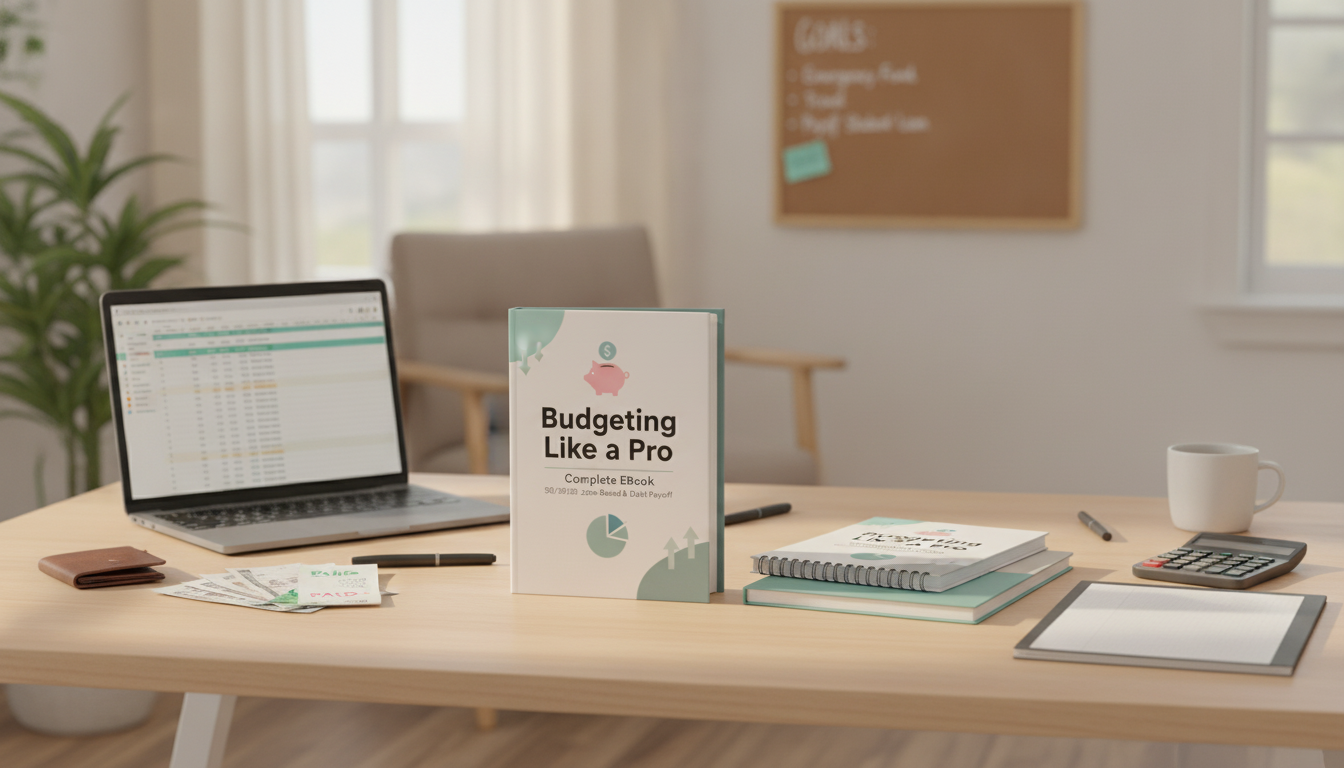
The Empowered Budgeting Toolkit is a 4-in-1 bundle designed to turn scattered spending into a repeatable monthly plan. It combines a budget planner, an Excel guide, practical savings and wealth-building strategies, and guided affirmations for wealth—so tracking, decision-making, and consistency work together instead of competing for attention.
If you’re ready for a single system that helps you plan the month, track the reality, and stay emotionally steady when money feels tight, explore The Empowered Budgeting Toolkit and start building a rhythm you can repeat.
What’s Included in the 4-in-1 Bundle
- Budget planner framework for organizing income, fixed bills, variable spending, and true expenses (irregular costs that still need a monthly plan).
- Excel guide to help set up categories, totals, and monthly views so numbers are visible at a glance.
- Savings and wealth strategies that translate goals (emergency fund, debt payoff, investing) into monthly actions.
- Guided affirmations for wealth to support consistency, reduce avoidance, and keep financial goals emotionally “reachable.”
Toolkit Components at a Glance
| Component | Primary purpose | Best used when | Outcome to look for |
|---|---|---|---|
| Budget Planner | Monthly plan + spending boundaries | Before the month starts and during weekly check-ins | Fewer surprises and clearer yes/no spending decisions |
| Excel Guide | Organize and total expenses quickly | When migrating from paper notes or multiple apps | Clean monthly snapshot and faster reconciliation |
| Savings & Wealth Strategies | Turn goals into monthly targets | After baseline expenses are mapped | Automated saving, planned debt payoff, intentional investing |
| Guided Affirmations for Wealth | Mindset support + habit consistency | When motivation dips or money stress rises | More follow-through and less avoidance around numbers |
A Simple Setup That Works for Real Life
The fastest budgets to maintain are the ones that match how you actually spend and how you actually make decisions. This setup keeps the “money admin” light while still giving you the structure to move forward.
- Step 1: Gather the essentials (last 1–2 months of bank/credit statements, current bill list, income dates).
- Step 2: Choose a category structure that matches spending patterns (too many categories increases friction; too few hides problems).
- Step 3: Identify “true expenses” (annual fees, car repairs, gifts, travel) and divide them into monthly sinking funds.
- Step 4: Set one primary goal for the next 30 days (e.g., build a starter emergency fund, reduce discretionary spending, or catch up on overdue bills).
For extra guidance on building a realistic budget framework, the Consumer Financial Protection Bureau’s budgeting resources are a helpful reference: https://www.consumerfinance.gov/consumer-tools/budgeting/.
Monthly Expense Planning: A Repeatable Weekly Rhythm
A good monthly plan doesn’t require perfection—it requires a reset point. When you know you’ll check in weekly, you can make decisions without panic.
- Start-of-month planning: assign every dollar a job—bills, essentials, savings, debt, and guilt-free spending.
- Weekly check-in (10–15 minutes): compare planned vs. actual, then adjust without restarting the whole month.
- Mid-month correction: if one category runs high, decide what gets reduced elsewhere (instead of relying on “catching up later”).
- End-of-month review: note the 1–2 biggest drivers of spending and choose one adjustment for next month.
If follow-through is the hard part, pairing your money session with a focus routine can make the habit stick. A practical companion is Finally Focused: The Anti-Procrastination Workbook, especially for building a consistent weekly “money date.”
Using the Excel Guide Without Overcomplicating It
Spreadsheets work best when they’re boring: predictable categories, clean totals, and one place to look for answers. The goal isn’t to track everything—it’s to make the next decision easier.
- Keep inputs minimal: income, fixed bills, variable categories, and sinking funds cover most personal budgets.
- Use consistent naming: (e.g., “Groceries” vs. “Food – groceries”) to avoid duplicate categories that distort totals.
- Track by transaction or by weekly totals: choose the method that matches time available and attention span.
- Create one dashboard view: planned total, actual total, remaining cash, and progress toward savings/debt goals.
Savings and Wealth Strategies You Can Apply Immediately
For investing fundamentals and terminology that can help you feel more confident as you plan long-term, the SEC’s Investor.gov introduction is a strong starting point: https://www.investor.gov/introduction-investing.
Guided Affirmations for Wealth: Making the Plan Easier to Follow
To deepen insight into emotional spending triggers and reinforce calmer decision-making, a simple reflection practice can help. Consider adding Mindful Clarity: Journal & Prompts to your weekly review routine.
Who This Toolkit Fits Best
Common Sticking Points and Quick Fixes
For additional financial education resources and practical learning modules, FDIC Money Smart is a reputable option: https://www.fdic.gov/resources/consumers/money-smart/.
Helpful Add-Ons for Focus and Follow-Through
When you want one hub that ties it all together—planning, tracking, strategy, and mindset—The Empowered Budgeting Toolkit is built to make money management feel repeatable, not reactive.
FAQ
Is this toolkit suitable for beginners who have never budgeted before?
Yes. Start with a simple set of categories, use the weekly check-in rhythm to stay consistent, and rely on the Excel guide for structure without turning your budget into a complicated project.
How do I use the toolkit if my income varies month to month?
Budget from a baseline (your lowest expected income), fund essentials first, and use sinking funds to smooth irregular costs. Then adjust weekly as income arrives so you can redirect extra money toward priority goals.
Does this replace budgeting apps, or can it be used alongside them?
Either works. You can use the toolkit as your main plan and tracker, or keep an app for transaction capture while using the toolkit for monthly planning, reviews, and goal strategy.











Leave a comment